Musty air, sagging floors, and high energy bills often start in the crawl space. Here's what encapsulation is, what it costs, and when it pays for itself.
What crawl space encapsulation actually is
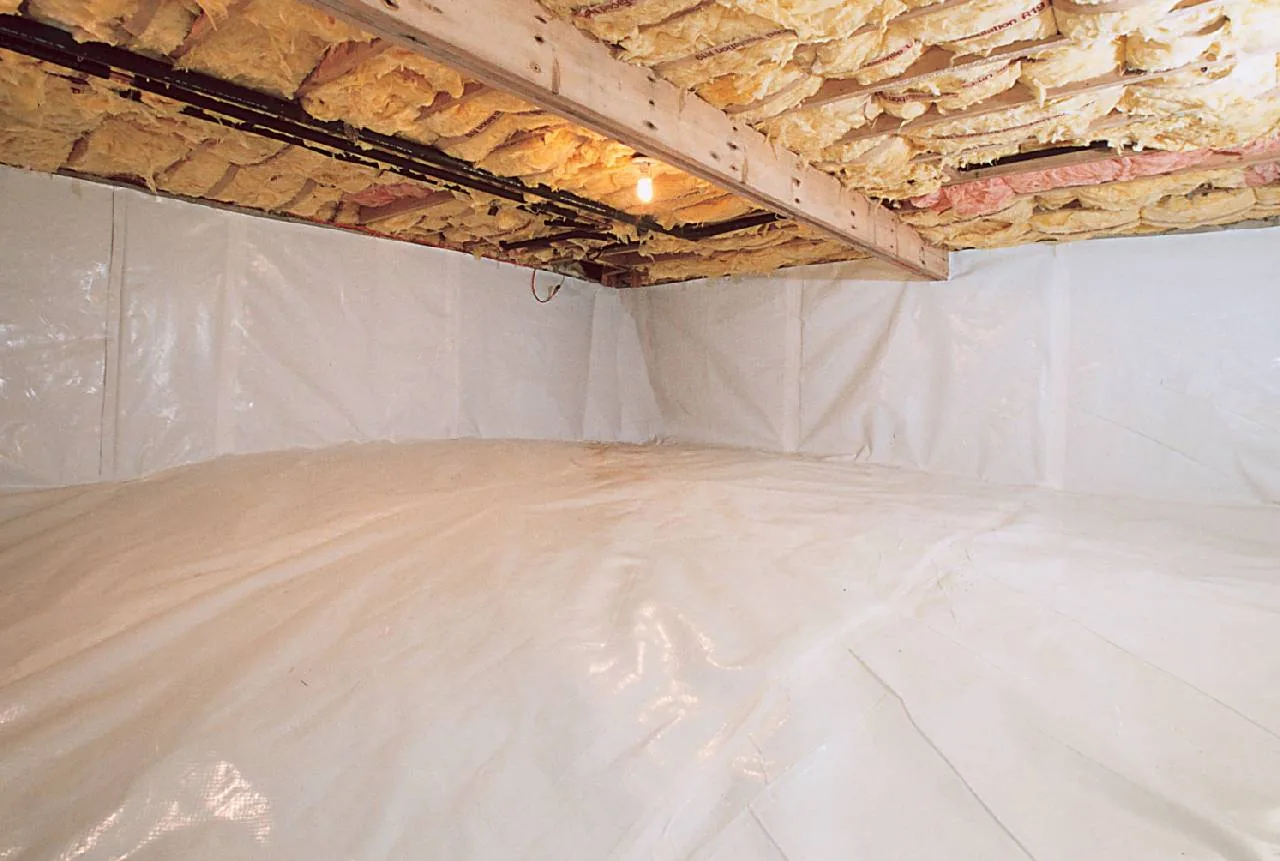
Encapsulation seals your crawl space off from ground and outside moisture. A heavy-duty vapor barrier (we use 12-mil) covers the floor and runs up the foundation walls, the vents get sealed, and — in Northwest Arkansas's humidity — a dedicated dehumidifier keeps the space dry year-round. The result is a clean, conditioned space instead of a damp, vented dirt pit.
It's not the same as a quick 'moisture barrier.' Encapsulation is a sealed system, and that's what makes the difference between a crawl space that stays dry and one that just sweats under new plastic.
Why NWA crawl spaces stay wet
Northwest Arkansas averages nearly 48 inches of rain a year, and our summers are humid. Traditional vented crawl spaces were designed on the theory that outside air would dry them out. In our climate the opposite happens: warm, moist summer air flows into the cool crawl space and condenses on everything — framing, ductwork, insulation.
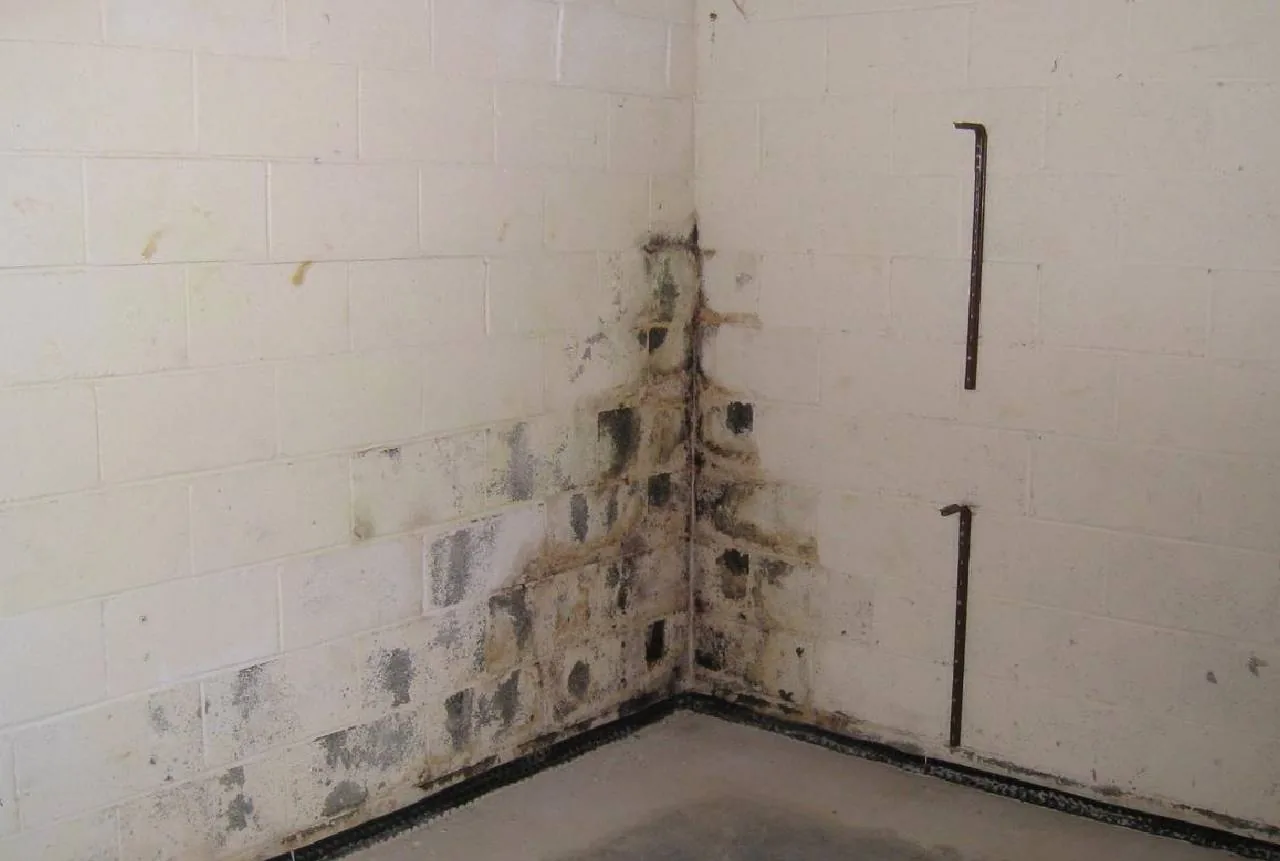
That constant moisture is what rots joists, grows mold, rusts fasteners, and eventually shows up as bouncy or sloping floors upstairs. Homes near Beaver Lake in Rogers and low-lying lots near Spring Creek in Springdale are the worst offenders.
The benefits homeowners actually notice
Three things change fast after encapsulation. First, indoor air quality — up to half the air you breathe upstairs comes from the crawl space, so sealing it out cuts musty odors and allergens. Second, energy bills: most homeowners see 10–15% lower heating and cooling costs the first year because the HVAC isn't fighting damp air. Third, structural protection — you stop the rot cycle before it reaches your floor system.
What it costs and when it pays off
Crawl space encapsulation in NWA typically runs $4,800–$11,000 depending on square footage, how much moisture control and drainage the space needs, and whether failed piers or rotted joists have to be addressed first. A space with standing water may also need an interior drain and sump before the barrier goes down.
It pays for itself fastest in homes with high energy bills, recurring musty smells, or early floor-framing damage — and it protects any structural repairs you've already paid for. If you're not sure whether your crawl space needs it, a free inspection settles it quickly: (479) 441-9515.